Mar’s Magnificent Midgauge Felted Mittens
© 2015 rev.
I've edited the tops of the mittens to make them easier to knit and added a small size
Machine: LK150, SR 860, Kx 350--no ribber
required
Yarn: Mary Lou’s Schuss Plus or any
100% wool that knits to the same gauge (If you use a different yarn and gauge I
can’t guarantee they’ll come out to the same size as mine did). And felting
adds another variable. Schuss Plus is
about the size of hand knitting sport weight yarn or light worsted.
Gauge: At T10.. (loosest possible) 4.5
st and 6 r = 1” before felting
Other materials needed: Size F crochet hook (or use the one that came
with your machine), large eyed needle for seaming
Finished sizes: Child 3-4, (Average women’s hand
or older child, large) in parenthesis.
You should always felt both mitts at the same time to get the same
result for both mitts. You may need to
knit a pair and see if you achieved the size you wanted, then do some
adjustments for the next pair.
Directions: (Both mittens are knit in the
same way)
BODY
-
Ewrap cast on over 18-0-18 (21-0-21, 24-0-24) needles. T10..
RC000. Knit to RC 14 (18, 22) and
put a yarn marker on both sides. Knit to
RC 30 (34,38) and put a yarn marker on both sides. (This is the thumb placement.)
-
Knit to RC 50 (56, 62). If you think
you need a longer mitt, adjust rows here. CAR.
Set machine to hold. Put left 18
( 21 , 24) stitches in hold position.
-
On the half that is in work--*Decrease
one stitch both sides, knit one row.*
Repeat until you have 4 ( 5, 6) stitches
left in work. Bind these stitches off
loosely. Note, it is not necessary to do a full fashioned decrease, because
once felted, the stitches disappear.
-
Take machine off hold. On the other half of the mitt, repeat #3. Remove from machine.
 THUMB
THUMB
-
Locate the bottom yarn
markers both sides. With purl side
facing you on the inside and the cuff
down, pointy tops up, hang this stitch so that the stitch from both sides is on
needle #1. You have the beginnings of a
tube. You can tell if you've hung it
correctly when purl stitches are toward you on the inside of the tube and purls
are what are about to be knit.
Confession; i knit two thumbs
upside down until I got a grip on myself...SO double check. Twice!!!
Air was as blue as the mitt.
-
With your 3 prong tool, splay the
sides of the mitt out, pick up 8 ( 9 , 10) more whole stitches to the right, up to the
top yarn marker and do the same for the left side, the same number of stitches. You now have 17 (19, 21) stitches in work. You will want to skip a few stitches as you
hang because you are matching up rows to stitches.
-
Set the machine to hold. All needles except the center doubled one are
in hold. Hang a claw weight under the
doubled stitch. Knit one row. Push a needle opposite the carriage in the
middle, next to the stitch that just knit, into working position. Knit one
row. Continue putting needles opposite
the carriage into work one at a time until all needles are working. (No need to wrap, but work slowly and check
each row to make sure the new needle did knit.
If not, knit the stitch through by hand.)
-
Knit 6 (8) rows even on all 17 (19, 21)
stitches. Adjust rows here if you think you need a longer or shorter thumb.
-
Decrease for thumb tip: Transfer every other stitch to its neighbor
and move all the stitches in so there are no empties. Knit one row.
Repeat once more. Take the remaining
stitches off on a large eyed needle and cinch up. Don’t seam yet.
JOIN
THE TWO HALVES AT THE TOP OF MITT
-
With right side facing you, hang the top stitches
you bound off of one side and then picking up whole stitches, pick up stitches
down the curve. Pick up the same
number on the other side. Hang a
claw wt. (if you can’t get all the stitches on, do half and then the remaining
half.) Push stitches to the back of the bed, needles all the way out with latches
open. Write down the number of stitches
you have hung so that you do the second mitt exactly the same.
-
Fold over so the purl side of the
other half is facing you (purl side visible) and hang the same stitches as you did on the other
side but into the hooks of the needles.
Hang another claw wt so the stitches don’t jump off. The right sides of
the mitt are facing each other.
-
Close latches.
With a straight edge that is at least as wide as the stitches you are
working with, push the front stitches through the back in one fell swoop. Don’t be timid.
-
Pull needles all the way out and
stitches back to make it easier to bind off. Bind off loosely with your favorite technique.
(It won’t show.)
FINISHING
-
Seam all open seams from
the right side by whip stitching just half of each stitch loosely. The seam won’t show after felting, but
picking up just half a stitch each side reduces bulk. You could also mattress stitch from the right
side taking just half a stitch.
-
Secure yarn ends and cut about 2
inches. (Can trim after the felting process.)
-
Crochet cuff edge:
-
Single crochet into each stitch around
-
Secure to beginning stitch and chain
one.
-
Single crochet in each of 3 stitches,
then 4 chains. Secure bottom of chain into same stitch. Repeat around. (Picots made)
-
Secure to beginning stitch then
single crochet in each stitch but do 2 sc into the picot point.
-
Pull points out hard. A lot of the nice stitches will get
obliterated, however, after felting.
-
Put through as many hot/cold washes with a
little bit of detergent as needed and a pair of jeans or material that won’t
give off lint. Keep an eye out so that
they don’t get too small. I checked mine
half way through a hot wash and to my surprise they were done! You can shape them a little and pull out the
picots while they are drying flat.

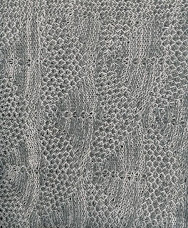
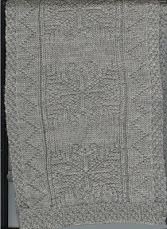
 Scan of knitting before felting….
NOTE: If you don’t
want to do the crochet edge, knit extra rows for the cuff. Once you do that, you can turn the row counter
back and follow the pattern. When
felted, the edge won’t roll. Nice! Just
make sure you do the exact same thing for mitten #2.
NOTE #2: I have been
searching for a long time for the “perfect” felted mitten. Tried lots, was disappointed lots. Finally, I believe I have crafted up the
perfect felted mitten. In Minnesota,
acrylic mittens don’t always fill the bill.
Even doubled. Our winters are
just too cold.
The felted ones will keep you toasty, however. You can do all sorts of things with these
mitts as far as decorating if you are moved to do so. Embroidery, ribbons, fairisle, more crochet, lace
cuff, a cloth lining, etc. I have to
say, they are actually fast and fun to do.
Scan of knitting before felting….
NOTE: If you don’t
want to do the crochet edge, knit extra rows for the cuff. Once you do that, you can turn the row counter
back and follow the pattern. When
felted, the edge won’t roll. Nice! Just
make sure you do the exact same thing for mitten #2.
NOTE #2: I have been
searching for a long time for the “perfect” felted mitten. Tried lots, was disappointed lots. Finally, I believe I have crafted up the
perfect felted mitten. In Minnesota,
acrylic mittens don’t always fill the bill.
Even doubled. Our winters are
just too cold.
The felted ones will keep you toasty, however. You can do all sorts of things with these
mitts as far as decorating if you are moved to do so. Embroidery, ribbons, fairisle, more crochet, lace
cuff, a cloth lining, etc. I have to
say, they are actually fast and fun to do.
2015 rev.I've edited the tops of the mittens to make them easier to knit and added a small size
Ewrap cast on over 18-0-18 (21-0-21, 24-0-24) needles. T10..
RC000. Knit to RC 14 (18, 22) and
put a yarn marker on both sides. Knit to
RC 30 (34,38) and put a yarn marker on both sides. (This is the thumb placement.)
Knit to RC 50 (56, 62). If you think
you need a longer mitt, adjust rows here. CAR.
Set machine to hold. Put left 18
( 21 , 24) stitches in hold position.
On the half that is in work--*Decrease
one stitch both sides, knit one row.*
Repeat until you have 4 ( 5, 6) stitches
left in work. Bind these stitches off
loosely. Note, it is not necessary to do a full fashioned decrease, because
once felted, the stitches disappear.
Take machine off hold. On the other half of the mitt, repeat #3. Remove from machine.
THUMB
Locate the bottom yarn
markers both sides. With purl side
facing you on the inside and the cuff
down, pointy tops up, hang this stitch so that the stitch from both sides is on
needle #1. You have the beginnings of a
tube. You can tell if you've hung it
correctly when purl stitches are toward you on the inside of the tube and purls
are what are about to be knit.
Confession; i knit two thumbs
upside down until I got a grip on myself...SO double check. Twice!!!
Air was as blue as the mitt.
With your 3 prong tool, splay the
sides of the mitt out, pick up 8 ( 9 , 10) more whole stitches to the right, up to the
top yarn marker and do the same for the left side, the same number of stitches. You now have 17 (19, 21) stitches in work. You will want to skip a few stitches as you
hang because you are matching up rows to stitches.
Set the machine to hold. All needles except the center doubled one are
in hold. Hang a claw weight under the
doubled stitch. Knit one row. Push a needle opposite the carriage in the
middle, next to the stitch that just knit, into working position. Knit one
row. Continue putting needles opposite
the carriage into work one at a time until all needles are working. (No need to wrap, but work slowly and check
each row to make sure the new needle did knit.
If not, knit the stitch through by hand.)
Knit 6 (8) rows even on all 17 (19, 21)
stitches. Adjust rows here if you think you need a longer or shorter thumb.
Decrease for thumb tip: Transfer every other stitch to its neighbor
and move all the stitches in so there are no empties. Knit one row.
Repeat once more. Take the remaining
stitches off on a large eyed needle and cinch up. Don’t seam yet.
With right side facing you, hang the top stitches
you bound off of one side and then picking up whole stitches, pick up stitches
down the curve. Pick up the same
number on the other side. Hang a
claw wt. (if you can’t get all the stitches on, do half and then the remaining
half.) Push stitches to the back of the bed, needles all the way out with latches
open. Write down the number of stitches
you have hung so that you do the second mitt exactly the same.
Fold over so the purl side of the
other half is facing you (purl side visible) and hang the same stitches as you did on the other
side but into the hooks of the needles.
Hang another claw wt so the stitches don’t jump off. The right sides of
the mitt are facing each other.
Close latches.
With a straight edge that is at least as wide as the stitches you are
working with, push the front stitches through the back in one fell swoop. Don’t be timid.
Pull needles all the way out and
stitches back to make it easier to bind off. Bind off loosely with your favorite technique.
(It won’t show.)
FINISHING
Seam all open seams from
the right side by whip stitching just half of each stitch loosely. The seam won’t show after felting, but
picking up just half a stitch each side reduces bulk. You could also mattress stitch from the right
side taking just half a stitch.
Secure yarn ends and cut about 2
inches. (Can trim after the felting process.)
Crochet cuff edge:
Single crochet into each stitch around
Secure to beginning stitch and chain
one.
Single crochet in each of 3 stitches,
then 4 chains. Secure bottom of chain into same stitch. Repeat around. (Picots made)
Secure to beginning stitch then
single crochet in each stitch but do 2 sc into the picot point.
Pull points out hard. A lot of the nice stitches will get
obliterated, however, after felting.
Put through as many hot/cold washes with a
little bit of detergent as needed and a pair of jeans or material that won’t
give off lint. Keep an eye out so that
they don’t get too small. I checked mine
half way through a hot wash and to my surprise they were done! You can shape them a little and pull out the
picots while they are drying flat.
Scan of knitting before felting….
NOTE: If you don’t
want to do the crochet edge, knit extra rows for the cuff. Once you do that, you can turn the row counter
back and follow the pattern. When
felted, the edge won’t roll. Nice! Just
make sure you do the exact same thing for mitten #2.
NOTE #2: I have been
searching for a long time for the “perfect” felted mitten. Tried lots, was disappointed lots. Finally, I believe I have crafted up the
perfect felted mitten. In Minnesota,
acrylic mittens don’t always fill the bill.
Even doubled. Our winters are
just too cold.
The felted ones will keep you toasty, however. You can do all sorts of things with these
mitts as far as decorating if you are moved to do so. Embroidery, ribbons, fairisle, more crochet, lace
cuff, a cloth lining, etc. I have to
say, they are actually fast and fun to do.


 Posts
Posts